
(01) Pillar B · Channels
Launch whereU.S. customers buy.
We develop the marketplace and direct-to-consumer infrastructure required to sell in the United States—from Amazon and Walmart to your own Shopify store and, when it fits, TikTok Shop. Channels are prioritized by market opportunity, economics and customer behavior instead of forcing every brand into the same model.
- Channels:
- Amazon · Walmart · Shopify · TikTok Shop
- Approach:
- Portfolio, not one channel
- Timing:
- Weeks 3–8
- Other:
- eBay and others, if they pay off

(02) What we build
Every channel, set up to sell.
(01) DTC
Shopify
Your own store, built for the U.S. customer.
- Structure, navigation, pages and checkout
- Payments, taxes, policies and basic tracking
- On-page SEO
(02) Marketplace
Amazon
Account, catalog and fulfillment model.
- Seller account setup
- Brand Registry preparation and support
- Titles, bullets, A+ Content and images
- FBA or FBM recommendation and setup
(03) Marketplace
Walmart
A second large marketplace audience.
- Account registration and setup
- Catalog publishing and standardization
- Ongoing operation and maintenance
(04) Social commerce
TikTok Shop
Only when the product and audience fit.
- Account creation and setup
- Catalog integration
- Content and affiliate strategy
(03) The architecture
Marketplace demand capture + DTC brand control + selective social commerce + centralized U.S. operations.
A brand can start with one or two channels, establish unit economics and operational reliability, and then reuse the same catalog intelligence, content and inventory infrastructure across new channels.
(04) Amazon
Large, but not automatically easy.
Amazon represents roughly 36%–41% of U.S. e-commerce depending on methodology, and Amazon reports that more than 60% of its store sales come from independent sellers. That makes it strategically hard to ignore for most consumer brands.
Brand Registry requires a pending or registered trademark and brand identification permanently affixed to the product or packaging. We prepare that path, recommend FBA or FBM, and build listings designed to convert.
(05) Walmart and your own store
Reach on one side, control on the other.
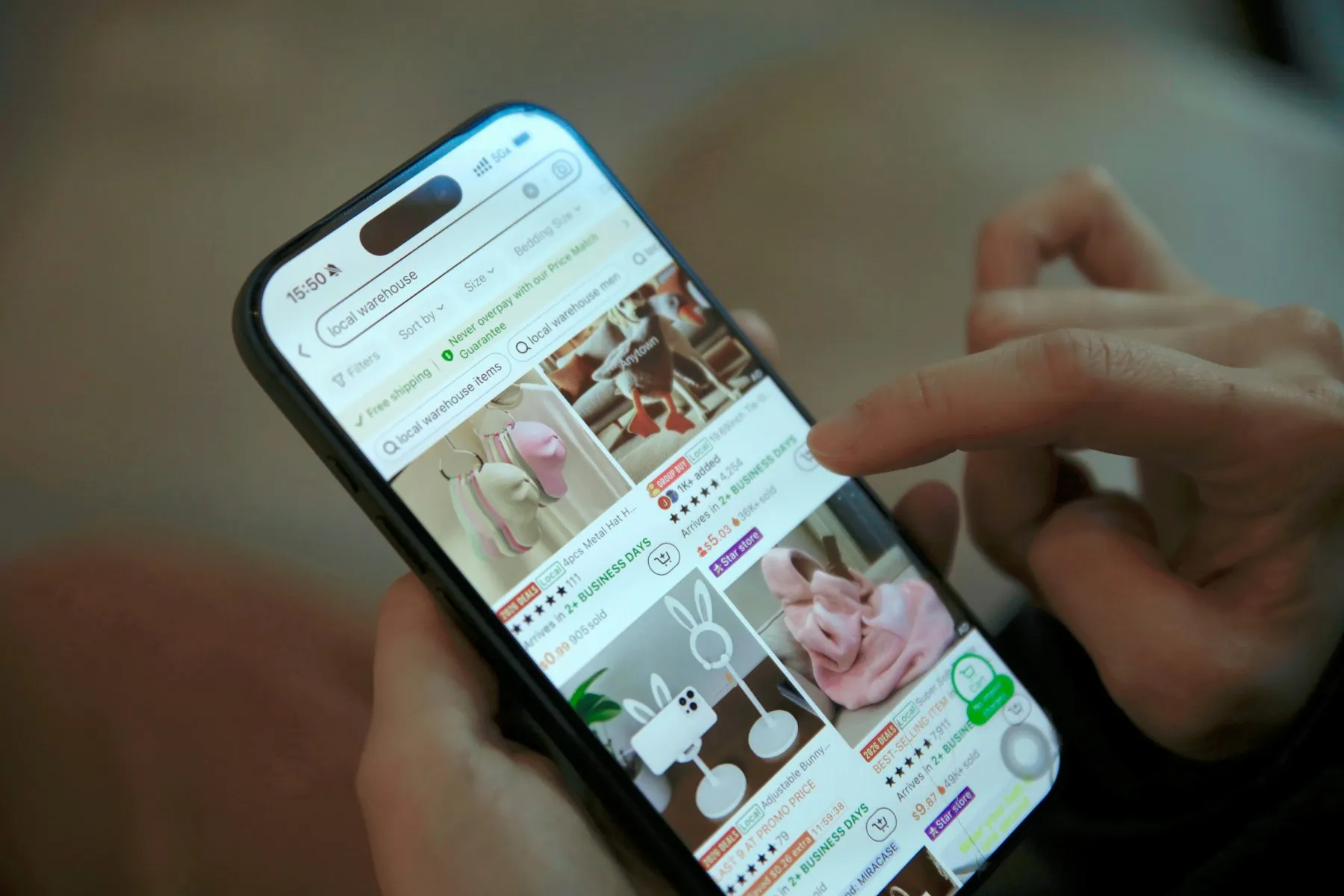
Walmart Marketplace charges no setup or monthly seller fee—sellers pay referral fees on sales—and Walmart cites 120 million monthly visitors to Walmart.com. Walmart also reports that items with two-day-or-faster delivery through Walmart Fulfillment Services saw higher average GMV growth in its own data, a sign that fulfillment is a commercial variable.
A Shopify store does not come with a built-in audience. Its value is control: merchandising, brand story, bundles, pricing tests, acquisition funnels and the direct customer relationship—a testing ground for what U.S. customers respond to.
(06) Questions
About channel setup.
Should we launch on one channel or several?
Most brands start with one or two channels, prove unit economics and operational reliability, and then expand. Launching everywhere at once spreads inventory, content and budget too thin to learn anything.
Do we need Amazon Brand Registry?
It is strongly recommended for brand owners. It requires a pending or registered trademark and brand identification permanently affixed to the product or packaging. We prepare and accompany the process.
How do we avoid depending on Amazon?
By treating channels as a portfolio: marketplaces capture existing demand, while your own store builds a direct customer relationship and first-party data that no single platform controls.
(07) Next pillar
Channels need demand and logistics.
- (01)ChannelsWhich U.S. sales channel should an international brand launch first? Amazon, Walmart, Shopify and TikTok Shop compared by role, data and fit.
- (02)Marketing & growthU.S.-adapted positioning, content, UGC, creators, Amazon, Meta and TikTok ads and conversion optimization—measured against contribution margin.
- (03)Import, logistics & fulfillmentImport documentation, labeling review, customs coordination, U.S. 3PL receiving, FBA prep, DTC shipping, returns and quality control.
(08) Next step
Is your brand ready for the U.S.?
Book a strategic assessment to review your product, market opportunity, regulatory requirements, landed margins, sales channels and recommended launch path.